
Movement Analysis for Musicians
Why Isn't "Just Relax" the Answer?
Many musicians experience discomfort or pain in their shoulders, neck or arms and are often told that they simply need to relax. In practice, however, that advice rarely helps, because it isn't possible to relax the entire body while playing or singing.
When tension develops in areas such as the shoulders or neck, it is often a sign that the body is trying to create the stability needed for music-making. The problem is that this stability is sometimes generated by muscles that are not well suited to maintaining low-level, sustained activity over extended periods of time.
Stability Before Relaxation
Different muscles are specialised for different tasks. Some are designed to maintain stability over long periods of time, while others generate force and produce larger movements but fatigue more quickly.
How these different muscle groups share the workload has a significant impact on how the body is loaded during playing and singing.
Simply trying to relax is rarely the solution. A key part of the process is understanding which muscles are best suited to maintaining stability over time, reducing the need for the muscles of the neck, shoulders and arms to compensate. This requires a thorough understanding of anatomy and how different muscles work together during music-making.
Movement Analysis as a Tool
The purpose of the movement analysis is to identify where your body creates stability while you play or sing. If stability is being generated by muscles that are not well suited to maintaining stability over extended periods of time, they may fatigue more quickly, leading to discomfort.
Based on the movement analysis, Timani exercises are selected to improve the body's ability to create stability through more efficient coordination between muscle groups. This creates the conditions for the muscles responsible for sustained stability to take on more of the stabilising role, allowing overworked muscles to relax as they no longer need to compensate for insufficient stability elsewhere in the body.
Movement Analysis is About…
Understanding how your body works while you play or sing.
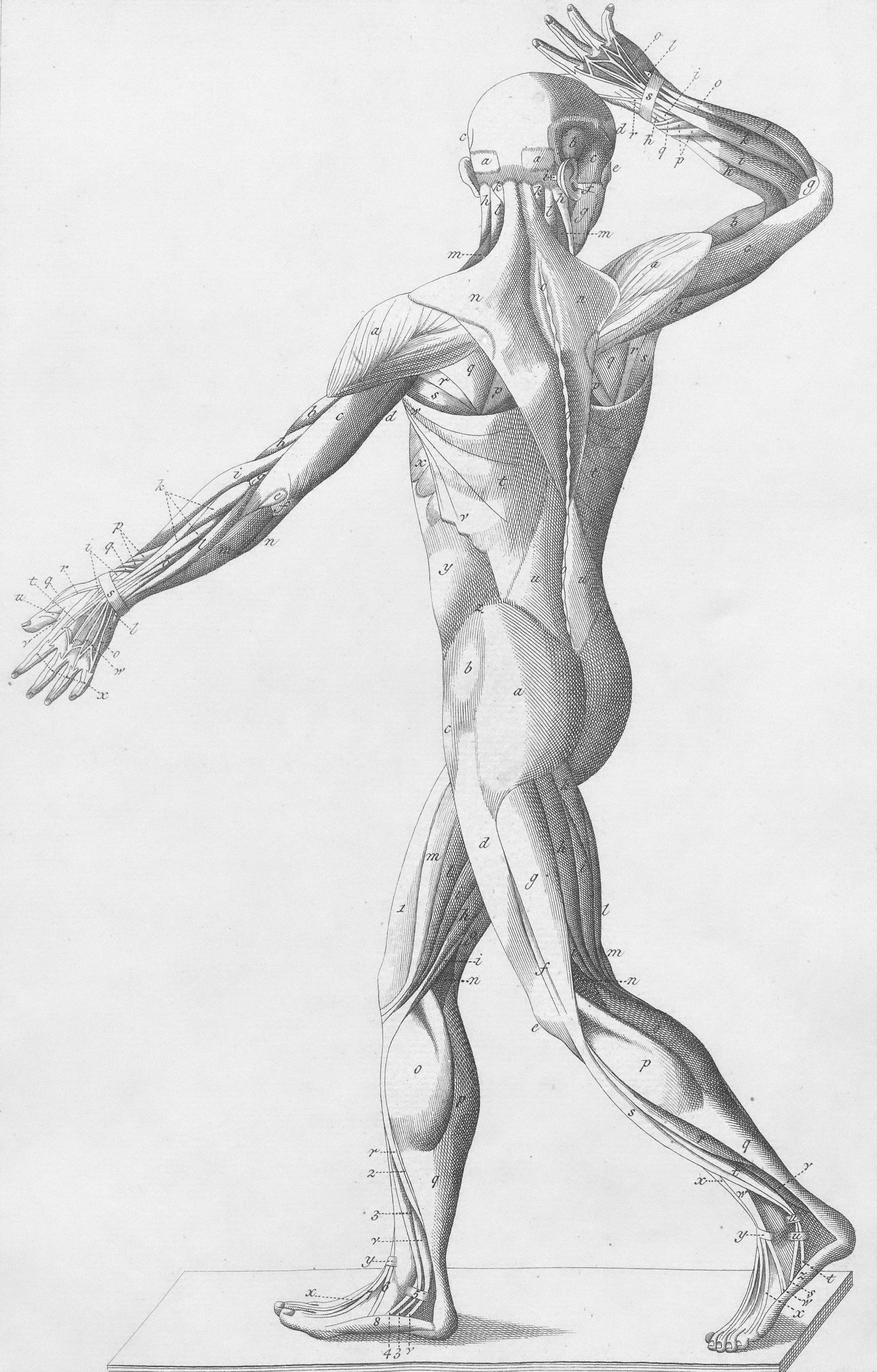
Developing a better understanding of the body’s anatomy in relation to your music-making.
Identifying what is already working well and which areas could better support your music-making.
Analysing where and how your body creates stability, and where compensatory patterns may occur.
Receiving individually selected Timani exercises from a library of more than 100 exercises developed specifically for musicians — never from a standardised programme.
Movement Analysis is Not About…
Looking for mistakes.
Changing your playing or singing technique.
Making everyone move in the same way.
Instead, the goal is to help you better understand how your body works during music-making and create the conditions for a freer, more sustainable and effortless way of making music.